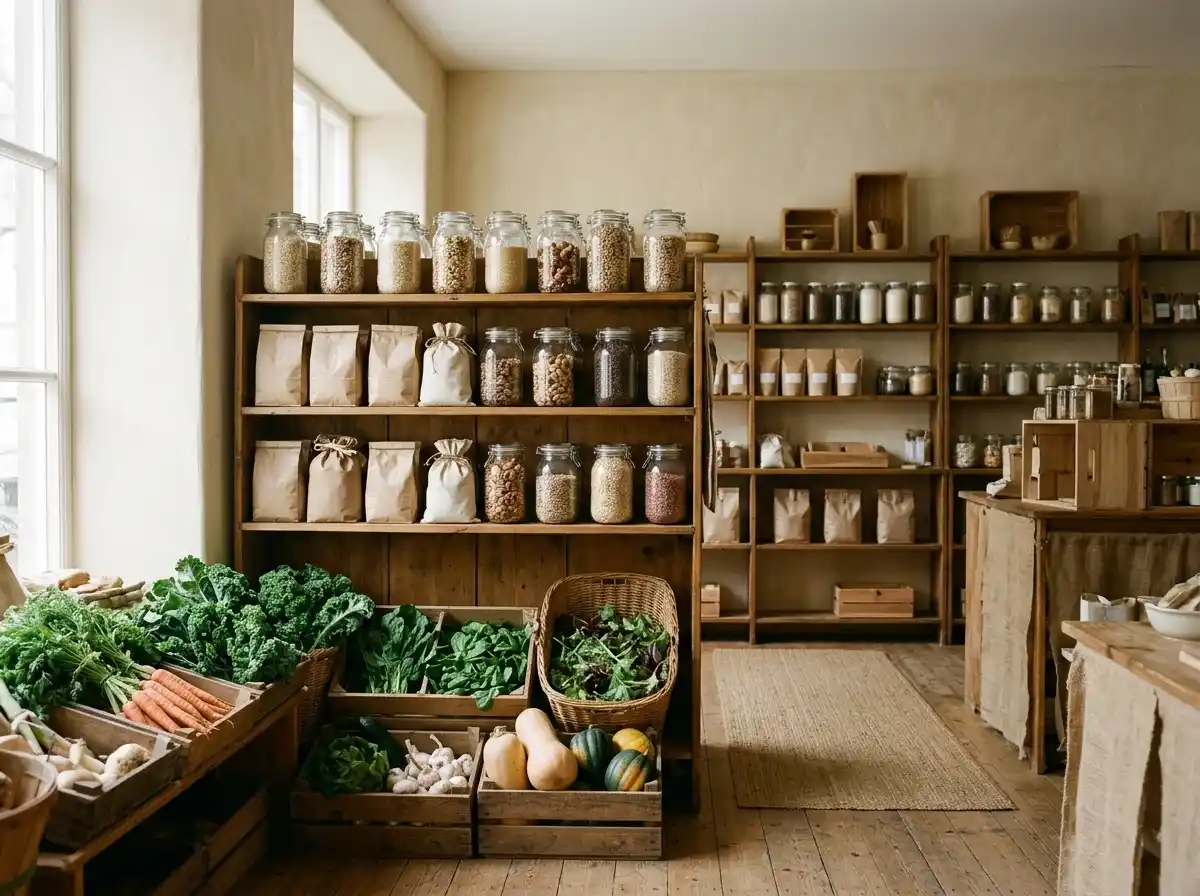
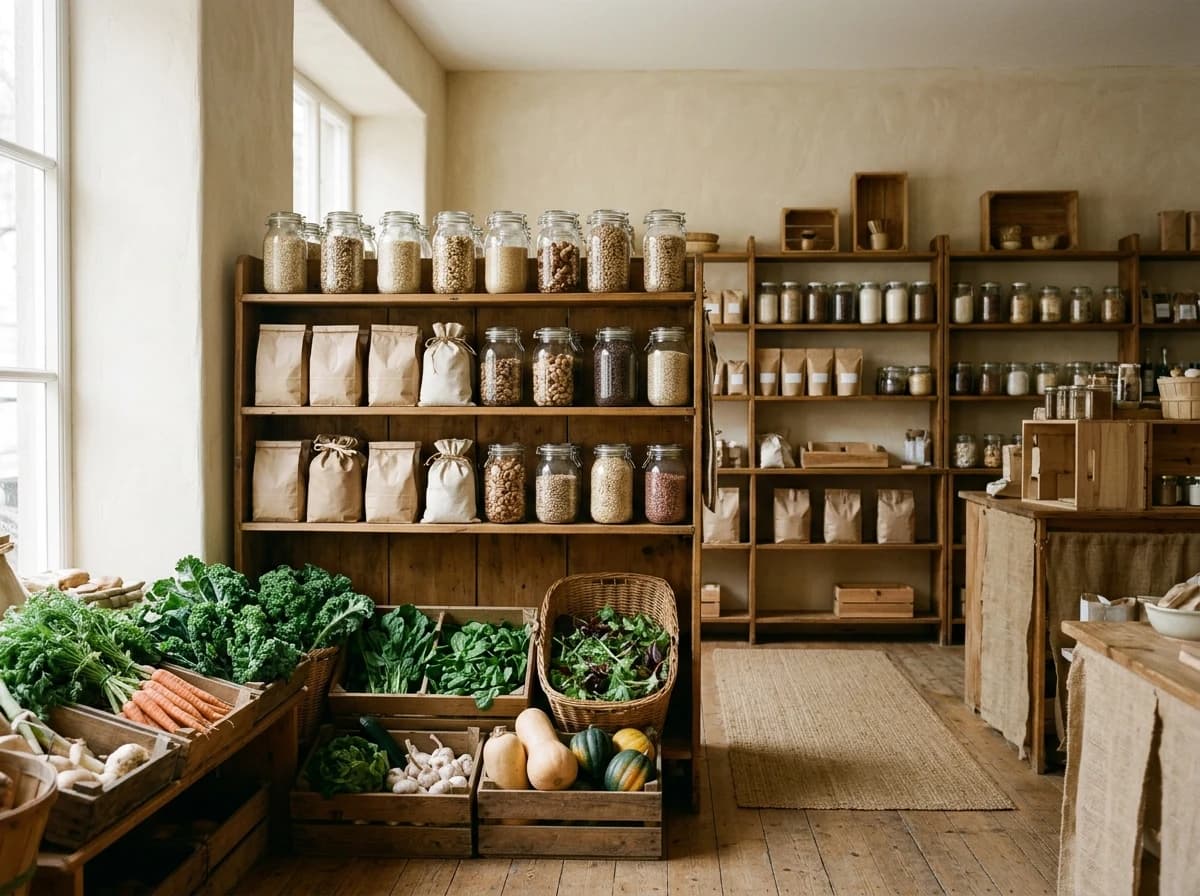
Start with an idea or a relevant template. Refine it around your health food store audience and the information they need.
Describe your health food store website
Tell the AI who you serve, what you offer and the style you want. Include food ranges and store departments and ingredients and product information in your brief, or choose a relevant template.
Name your audience and the next action you want visitors to take.
Review and make it yours
Ask the AI Editor for any change, or click an element to show what you mean. Add your own photographs and review food ranges and store departments, ingredients and product information, dietary preferences and clear descriptions before sharing your website.
Confirm every claim and replace sample content with your actual details.
Preview, then publish
Check the website on phones, tablets and desktop screens. Publish with hosting and SSL, and connect a domain you own when your plan includes custom domains.
Test your contact form and every external service link after publishing.
The details that help visitors choose
Food ranges and store departments. One clear website.
Grigora helps you create a health food store website that introduces your food range and gives shoppers a clear way to ask questions or plan a visit. Describe your departments, product selection, store location and shopping process to create an AI draft.
Food ranges and store departments
Introduce the food categories your store actually carries, such as pantry staples, fresh produce or specialist packaged foods where stocked. Organize the range so visitors can understand what they may find before making a trip. Use accurate photographs and descriptions, and explain where shoppers check current products, pack sizes, prices and availability rather than implying every pictured item is in stock.
Ingredients and product information
Help shoppers find the current ingredient, allergen and other product information supplied by the manufacturer for the specific item. Keep package sizes and product versions clear, and explain how customers can ask about details before buying. Do not infer an allergen-free claim from a general category, photograph or description, and avoid replacing product labels with broad assurances.
Dietary preferences and clear descriptions
Organize product information around the preferences your actual range serves, using descriptions you can verify for each item. Explain what category labels mean and keep them separate from unsupported health promises. Avoid suggesting that a food treats a condition or that the store provides individualized nutrition advice, and direct product-specific questions to the appropriate source of information.
Introduce the food categories your store actually carries, such as pantry staples, fresh produce or specialist packaged foods where stocked. Organize the range so visitors can understand what they may find before making a trip. Use accurate photographs and descriptions, and explain where shoppers check current products, pack sizes, prices and availability rather than implying every pictured item is in stock.
Your work, clearly presented
Interactive design inspiration. Illustrative photography and sample copy.
Plan the pages your visitors will use
The right information. A complete picture of your work.
A practical health food store website content guide. Choose the pages that fit what you do and keep the important answers close.
Food ranges and store departments
Introduce the food categories your store actually carries, such as pantry staples, fresh produce or specialist packaged foods where stocked. Organize the range so visitors can understand what they may find before making a trip. Use accurate photographs and descriptions, and explain where shoppers check current products, pack sizes, prices and availability rather than implying every pictured item is in stock.
Ingredients and product information
Help shoppers find the current ingredient, allergen and other product information supplied by the manufacturer for the specific item. Keep package sizes and product versions clear, and explain how customers can ask about details before buying. Do not infer an allergen-free claim from a general category, photograph or description, and avoid replacing product labels with broad assurances.
Dietary preferences and clear descriptions
Organize product information around the preferences your actual range serves, using descriptions you can verify for each item. Explain what category labels mean and keep them separate from unsupported health promises. Avoid suggesting that a food treats a condition or that the store provides individualized nutrition advice, and direct product-specific questions to the appropriate source of information.
Makers, sourcing and seasonal ranges
Introduce suppliers and makers using accurate information you have permission to publish. Describe sourcing, production methods or certifications only when you can substantiate them for the relevant products. Keep seasonal ranges and special displays current, explaining when availability changes. Use these pages to tell shoppers about your selection without implying that every item shares the same origin or certification.
Shopping, collection and order support
Explain how customers buy from your actual store, including any online ordering, collection or delivery options you offer. Link to the appropriate checkout and order-support service and describe how shoppers confirm availability and prices. Keep collection arrangements and other practical details aligned with your operations, and test the full journey before relying on it for customer orders.
Visit the store and ask a question
Publish your location, opening hours, directions and contact details so customers can plan a visit or ask about a particular food product. Explain whether you welcome in-store browsing, offer collection or sell online only. Keep holiday hours and contact routes current, and check that mobile visitors can easily find the store and reach your team.
Learn from the pages visitors use.
Review site analytics to understand which pages people visit. Keep food ranges and store departments and contact information easy to reach, and update them when your work changes.
Choose how visitors to your health food store website reach you. Make each action fit the services and processes you already use.
Give enquiries a clear route
Help visitors ask about food ranges and store departments. Use a contact form that collects the details your team needs, and explain what happens after an enquiry.
Your team reviews requests and confirms the next step.
Connect the services you use
Keep specialist workflows for your health food store website in the services you already use. Add clear links and explain their process before visitors leave your site.
Your chosen provider handles its own availability, confirmations and account access.
Add commerce when it fits
If you sell products or agreed services, add Grigora Commerce product pages, a cart and checkout with your connected Stripe, Razorpay, PayPal, or Paddle account. Explain prices, terms and fulfillment before accepting payment.
Your team manages orders and fulfillment; payment provider fees and terms apply.
Good health food store website SEO starts with useful pages. Make food ranges and store departments, your contact details and your story easy to find.
Illustrative search result
Your website
https://health-food-store.example/
Your website | Health Food Store
Explore food ranges and store departments and ingredients and product information, learn about our approach and find out how to contact us.
Fictional example. Search engines choose the final title and snippet.
Titles and descriptions you can edit
Give pages for food ranges and store departments and ingredients and product information clear titles. Write descriptions that match their actual content.
Useful information for your audience
Explain food ranges and store departments with original copy and relevant photographs. Keep contact details and any locations you serve accurate.
Connected hosting and published pages
Publish with hosting, HTTPS and a sitemap. Use clear navigation so visitors and search engines can reach your pages. Custom domains are available on paid plans.
Use relevant photographs, helpful image descriptions and original copy about your work and the people you serve.
Build and review your first health food store website draft with no card needed. Choose a plan before the trial ends to keep the site online.
A first draft you can review and customize
Website hosting, SSL and CDN included
Page, form and newsletter usage limits to review
Choose room for your website to grow
Compare plans for your domain and the content your health food store website needs. Paid plans keep your site online after the trial and let you connect a domain you own.
Connect a domain you own
Keep the site online after the trial
Choose capacity for your pages, content and enquiries
Check current plan limits and feature eligibility before choosing. Connected payment providers have their own terms and processing fees.
The last check before going online
Ready for your first online visitor?
Walk through your health food store website as a visitor would. Review these details before publishing, and again whenever your content changes.
0 of 5 items reviewed
Before you go online
Health Food Store website builder FAQs.
Clear answers about creating a health food store website, its content and the tools you can use.
How do I build a health food store website with Grigora?
Describe your food range, store departments, location and shopping process. Grigora creates an AI website draft that you can refine by describing changes in the AI Editor. Add authorized product photographs, accurate descriptions and current store details. Review product information and category labels, then preview the site on a phone and test inquiry, directions and store links. Check current plans for custom-domain availability before publishing.
What should a health food store website include?
Include the food ranges you stock, product information, relevant dietary preferences, verified maker or sourcing details and ways to shop or visit. Help customers find current ingredients and allergen information for specific products. Explain how they check availability and prices, and keep store hours and contact details easy to find. Avoid unsupported health claims and distinguish retail product information from individualized nutrition advice.
Can customers ask about a particular food product?
Yes. Provide a contact form or link to your existing inquiry process and ask customers to identify the product and pack size they mean. Explain how your team checks current availability or points them to manufacturer information. Do not treat a general inquiry as a reserved item or confirmed order, and avoid giving broad ingredient or allergen assurances across an entire range.
Does publishing the website automatically set up food orders?
Publishing public pages does not automatically configure inventory, checkout, payments, collection or delivery. You can present your range and link to the store or ordering service your business already uses. Confirm the commerce setup you need before taking orders, explain where customers complete purchases and get support, and test the full journey before launch.
How should I describe dietary categories and sourcing?
Use specific descriptions supported by current product information. Keep ingredient and allergen details tied to the relevant item and product version rather than making broad claims about a whole department. Publish sourcing or certification statements only when verified for the products concerned. Review details when suppliers or products change, and avoid implying medical benefits or individualized dietary advice.
Can I highlight seasonal food ranges and new products?
Yes. Create sections for current seasonal ranges or new products your store actually stocks. Use authorized photographs and accurate descriptions, explain how shoppers confirm availability and prices, and remove outdated details when the range changes. Keep product-specific ingredient and sourcing information current rather than carrying claims from an earlier item into a replacement product.