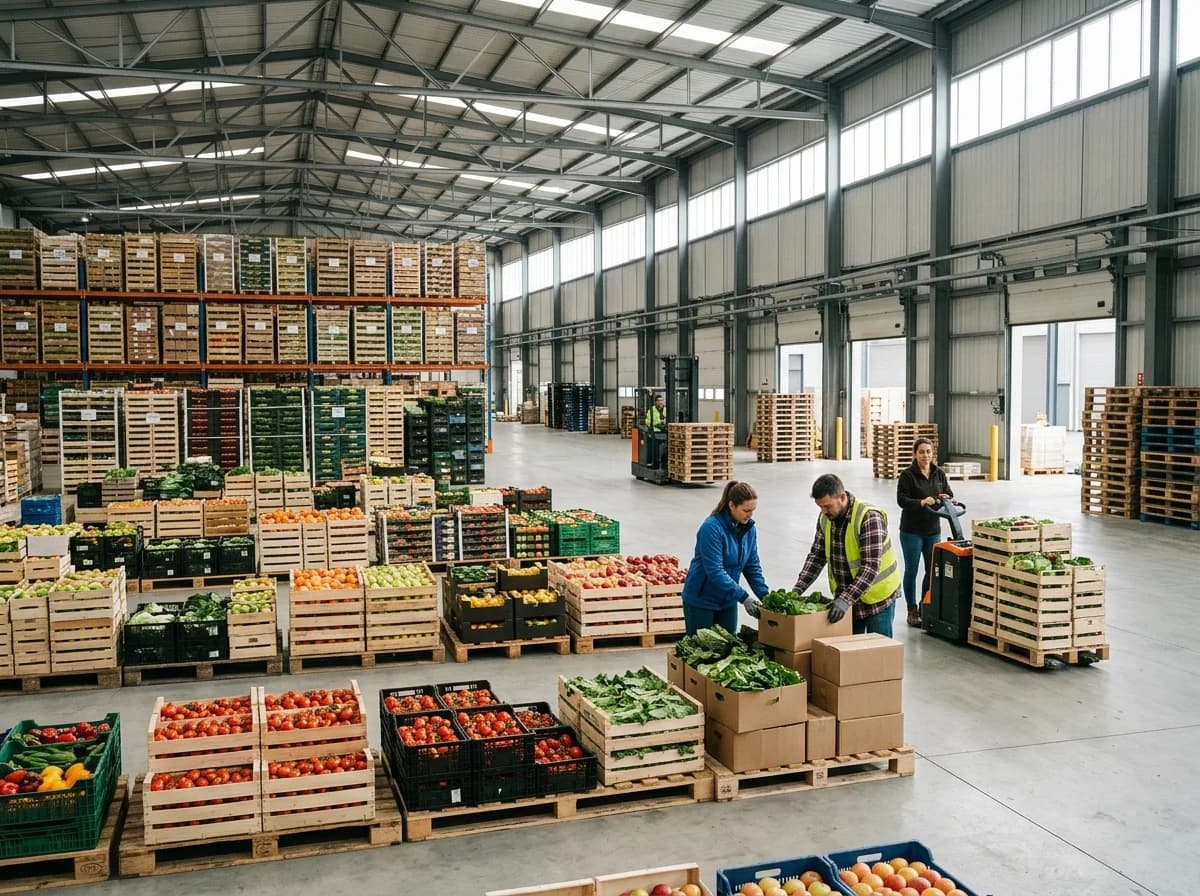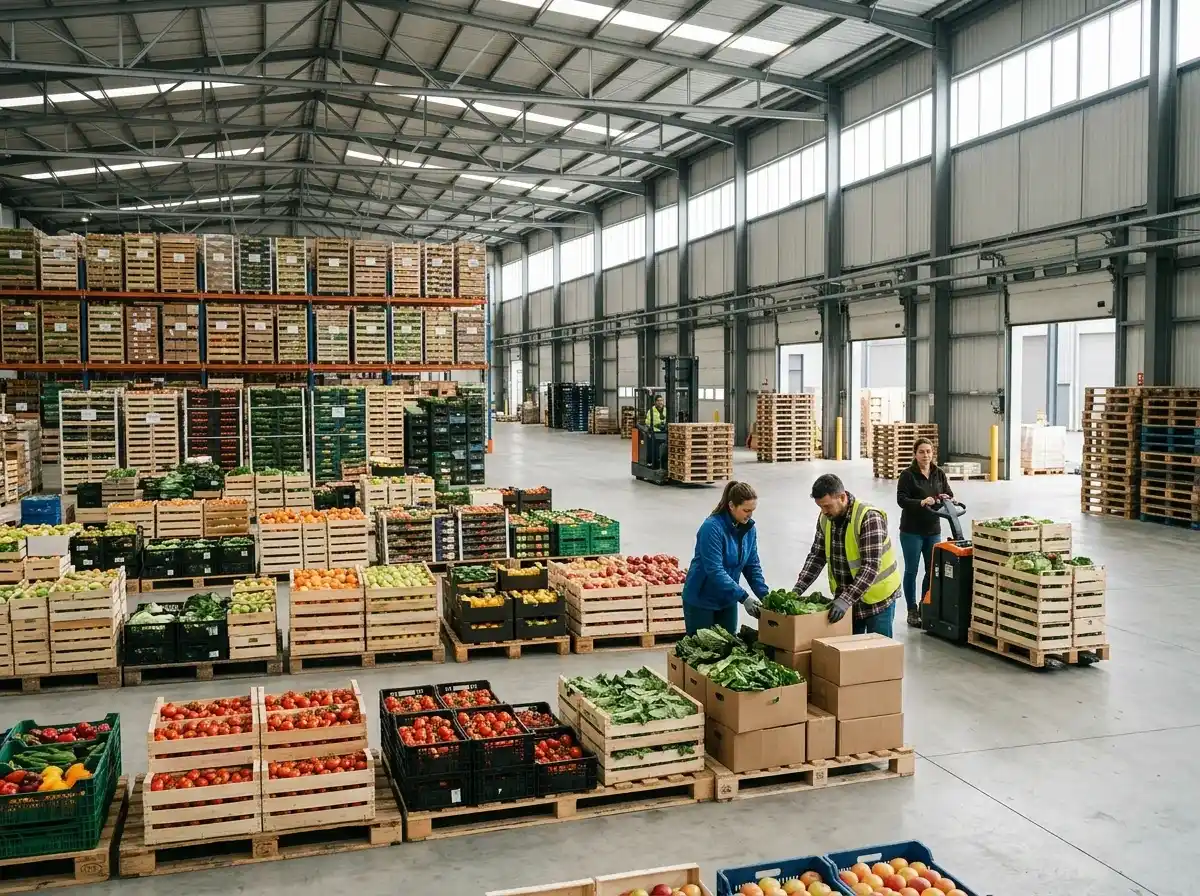
Products for Export & Specifications
Clearly list the agricultural commodities you export (e.g., grains, fruits, vegetables, dairy, meat). Provide detailed specifications, grades, packaging options, and available volumes for each product.
AI website builder for agricultural exporting
Introduce your crops, supply capabilities and trade enquiry process with accurate details.
Your work deserves a good first impression
Explore templates for agricultural exporting websites. Preview a design, then make the content, photographs and colours your own.
A first draft, with room to make it yours
Start with an idea or a relevant template. Refine it around your agricultural exporting audience and the information they need.
Tell the AI who you serve, what you offer and the style you want. Include products for export & specifications and international markets & logistics in your brief, or choose a relevant template.
Name your audience and the next action you want visitors to take.Edit your draft visually. Add your own photographs and review products for export & specifications, international markets & logistics, quality control & certifications before sharing your website.
Confirm every claim and replace sample content with your actual details.Check the website on phones, tablets and desktop screens. Publish with hosting and SSL, and connect a domain you own when your plan includes custom domains.
Test your contact form and every external service link after publishing.The details that help visitors choose
An agricultural export website is the catalogue and credibility page overseas buyers check before sending an enquiry, and Grigora builds one from a description of what you ship. Say you export arabica green coffee from Kenya in 60kg bags and the AI drafts the pages, copy and images, which you edit visually without code.
Clearly list the agricultural commodities you export (e.g., grains, fruits, vegetables, dairy, meat). Provide detailed specifications, grades, packaging options, and available volumes for each product.
Outline the regions and countries you serve. Detail your shipping methods (sea, air, rail), cold chain management, freight forwarding partnerships, and ability to handle customs documentation and regulations for diverse markets.
Emphasize your rigorous quality control processes from farm to port. Prominently display international certifications (e.g., ISO, HACCP, organic, phytosanitary certificates) that assure buyers of product safety and compliance.
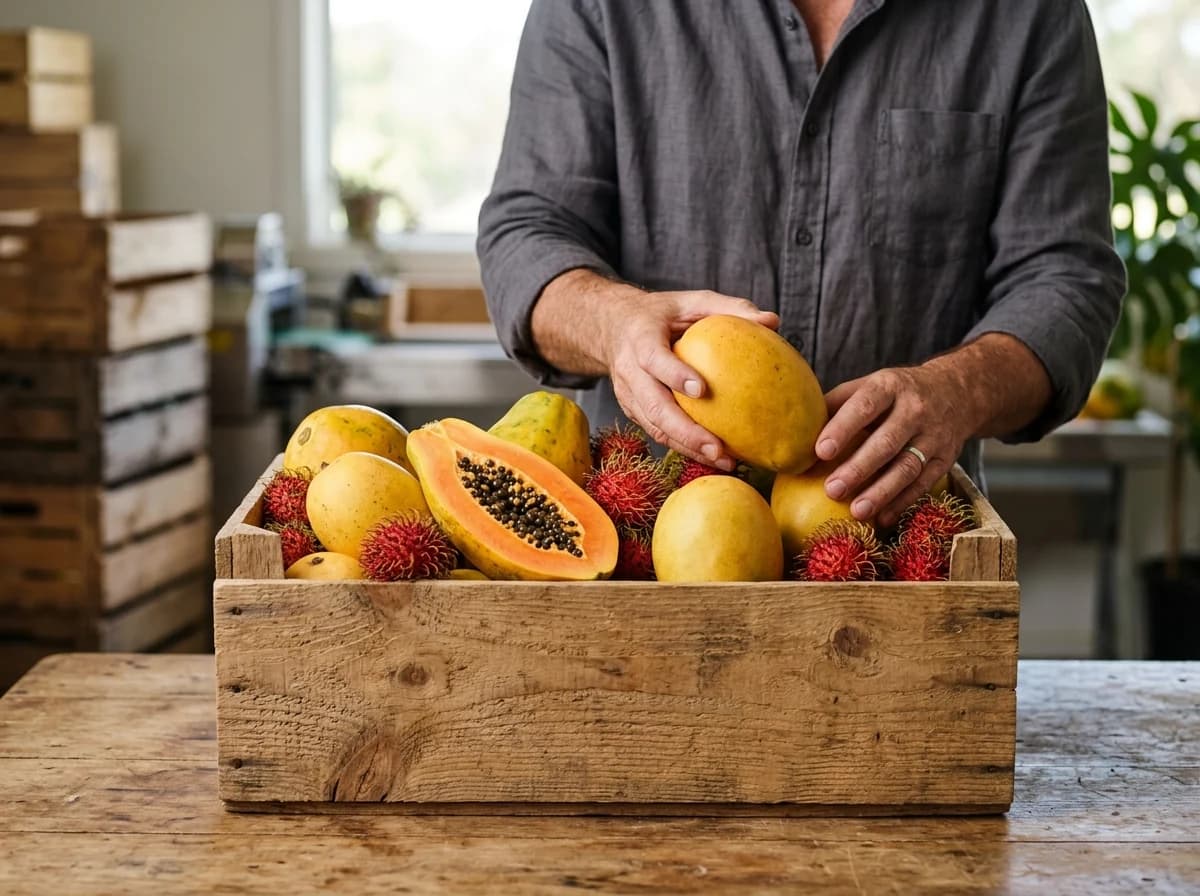 Coffee Bean Exporter
A clear first impression
Clearly list the agricultural commodities you export (e.g., grains, fruits, vegetables, dairy, meat). Provide detailed specifications, grades, packaging options, and available volumes for each product.
Your work, clearly presentedInteractive design inspiration. Illustrative photography and sample copy.
Plan the pages your visitors will use
A practical agricultural exporting website content guide. Choose the pages that fit what you do and keep the important answers close.
Clearly list the agricultural commodities you export (e.g., grains, fruits, vegetables, dairy, meat). Provide detailed specifications, grades, packaging options, and available volumes for each product.
Outline the regions and countries you serve. Detail your shipping methods (sea, air, rail), cold chain management, freight forwarding partnerships, and ability to handle customs documentation and regulations for diverse markets.
Emphasize your rigorous quality control processes from farm to port. Prominently display international certifications (e.g., ISO, HACCP, organic, phytosanitary certificates) that assure buyers of product safety and compliance.
If you work with a network of local farmers or producers, highlight these partnerships. Showcase your commitment to ethical sourcing, sustainable practices, and supporting agricultural communities.
Clearly explain your standard trade terms (Incoterms), payment options, and the process for international buyers to submit inquiries or request quotes. Provide dedicated contact forms for trade partners.
Publish articles on global commodity prices, international trade policies, agricultural supply chain trends, or insights into specific export markets. This positions you as an expert in the global agri-food trade.
Review site analytics to understand which pages people visit. Keep products for export & specifications and contact information easy to reach, and update them when your work changes.
Explore the tools behind your websiteMake the next step obvious
Choose how visitors to your agricultural exporting website reach you. Make each action fit the services and processes you already use.
Help visitors ask about products for export & specifications. Use a contact form that collects the details your team needs, and explain what happens after an enquiry.
Your team reviews requests and confirms the next step.
Keep specialist workflows for your agricultural exporting website in the services you already use. Add clear links and explain their process before visitors leave your site.
Your chosen provider handles its own availability, confirmations and account access.
If you sell products or agreed services, add Grigora Commerce product pages, a cart and checkout with your connected Stripe or Razorpay account. Explain prices, terms and fulfillment before accepting payment.
Your team manages orders and fulfillment; payment provider fees and terms apply.
SEO for agricultural exporting websites
Good agricultural exporting website SEO starts with useful pages. Make products for export & specifications, your contact details and your story easy to find.
Your website
https://agricultural-exporting.example/Explore products for export & specifications and international markets & logistics, learn about our approach and find out how to contact us.
Fictional example. Search engines choose the final title and snippet.
Give pages for products for export & specifications and international markets & logistics clear titles. Write descriptions that match their actual content.
Explain products for export & specifications with original copy and relevant photographs. Keep contact details and any locations you serve accurate.
Publish with hosting, HTTPS and a sitemap. Use clear navigation so visitors and search engines can reach your pages. Custom domains are available on paid plans.
Room to start. Room to grow.
Try the AI builder and review your first agricultural exporting website draft. Check the pricing page for current features and usage limits.
Compare plans for your domain and the content your agricultural exporting website needs. Paid plans add custom domains and Directory Maker for structured content.
Check current plan limits and feature eligibility before choosing. Connected payment providers have their own terms and processing fees.
The last check before going online
Walk through your agricultural exporting website as a visitor would. Review these details before publishing, and again whenever your content changes.
0 of 5 items reviewed
Before you go online
Clear answers about creating a agricultural exporting website, its content and the tools you can use.
Grigora's drag-and-drop website builder with 50+ customizable blocks and 50+ templates is ideal for agricultural exporters. You can easily showcase your products, source regions, certifications, and logistical capabilities. The responsive design ensures your site is professional and accessible on any device, crucial for international buyers and partners seeking reliable agricultural products.
Yes, Grigora's Directory Maker is perfect for organizing your agricultural products by type, origin, or certification (e.g., organic). You can include high-quality images, detailed descriptions, and compliance information for each. The built-in blogging platform is also great for sharing market insights, farming practices, or updates on harvest seasons, positioning your company as an expert in agricultural exporting.
Grigora provides robust SEO tools to boost your website's visibility. This includes built-in on-page SEO suggestions, a keyword research tool to target specific agricultural products or export markets, and meta tag customization. You can also generate schema markup for product listings and optimize URLs, crucial for international trade searches. Google Search Console integration helps monitor your site's performance.
While Grigora doesn't have a built-in e-commerce store, you can effectively manage inquiries using our interactive form builder. Create custom lead capture forms for quote requests, sample orders, or partnership inquiries. For advanced lead management or integration with CRM systems, you can leverage Zapier via webhooks, connecting Grigora to thousands of other applications to streamline your international sales process.
Absolutely. Grigora includes powerful AI tools that can greatly assist your content creation efforts. The AI blog writer and outline generator can help you draft articles on global agricultural trends or specific crop benefits. The AI paragraph rephraser can refine your product descriptions, ensuring they highlight quality, origin, and certifications clearly and compellingly for international buyers.
Grigora provides a built-in privacy-friendly analytics dashboard, offering insights into traffic, engagement, and performance. You can also integrate Google Analytics for more detailed reporting. These tools help you understand which products or regions are most popular, how international buyers find your site, and how they interact with your content, allowing you to refine your product focus and market strategies.
Yes. Set up a directory for your crops or export lots with a datetime field for the harvest window and a switch field marking each one 'currently available.' Update availability lot by lot as harvest dates change without touching the page layout.
Grigora Commerce lets you point a product listing to an external checkout URL instead of Stripe or Razorpay, so a 'request quote' entry can route buyers into your own negotiation process. Once terms are set, you can issue the invoice directly from the platform.
Directories support a map field type, so each product or lot entry can display the sourcing farm, growing region, or port of origin alongside its other details.
Yes. Grigora Commerce products support variants, product options, and separate SKUs, so a single grain or produce listing can offer Grade A versus Grade B, or 25kg bags versus full container loads, each tracked with its own inventory count.
Digital downloads with protected delivery let you attach files like a certificate of analysis or phytosanitary report to an order, releasing them to the buyer only after the order is placed instead of leaving them on a public page.
Lead with what a buyer needs to qualify you: commodities and grades, annual volume, the ports you ship from, the incoterms you work on and the certifications you hold. Put each grade in a structured entry with specs and packing options. Then one enquiry form asking destination, volume and target shipment month.
Upload the documents and attach them to the crop or grade they belong to, so every listing carries its own paperwork instead of one messy downloads page. Public material like spec sheets and quality standards sits on the page. Anything you would rather not publish, send once a buyer enquiry comes in.
It will hold a brochure site. The strain shows when your catalogue changes each season, because static pages mean editing every one by hand. Structured collections handle that better: update a lot once, and the listing, the index and any table using it change together. Grigora also imports an existing WordPress site.
Plans start at $15 a month for Starter, billed annually at $144, and $25 a month for Pro, which covers hosting, SSL, the CDN and SEO tooling. There is a free trial rather than a free plan. If you take payment online, that runs through your own Stripe or Razorpay account.
Describe your agricultural exporting website. Get a first draft you can edit and make your own.
Start building free