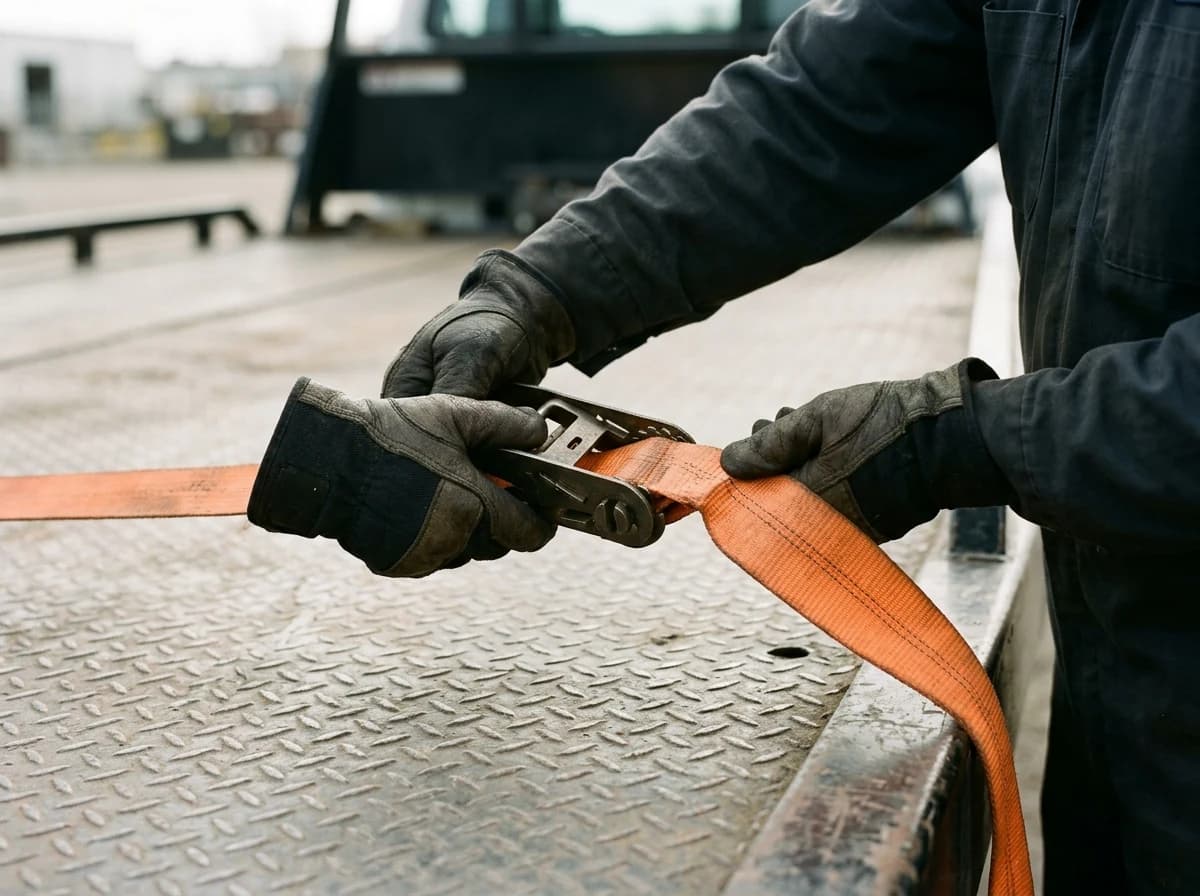
Towing services
Describe the vehicle types and towing work your team accepts. Separate towing from other roadside services you actually provide.
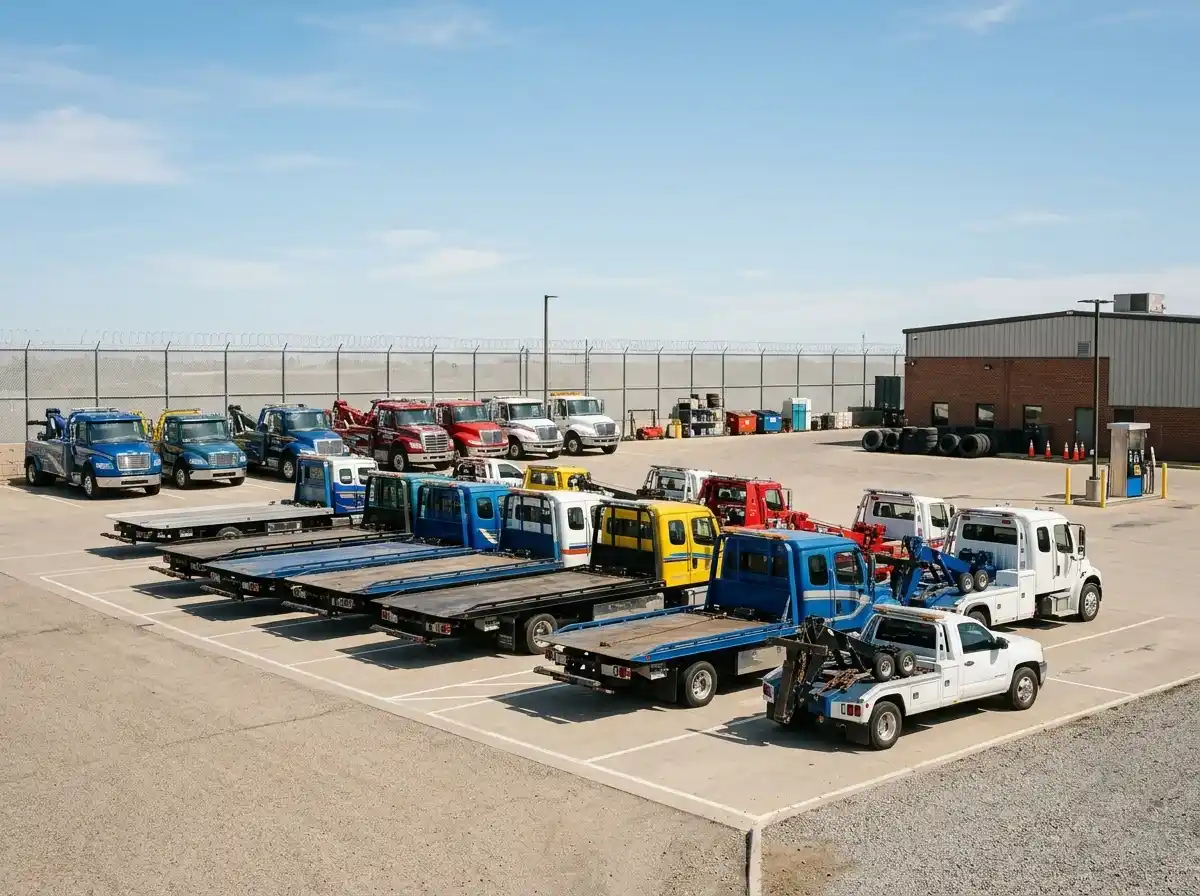
AI website builder for towing company
Explain your coverage, vehicle support and actual operating hours with a prominent contact route.
Your work deserves a good first impression
Explore templates for towing company websites. Preview a design, then make the content, photographs and colours your own.
A first draft, with room to make it yours
Start with an idea or a relevant template. Refine it around your towing company audience and the information they need.
Tell the AI who you serve, what you offer and the style you want. Include towing services and coverage and operating hours in your brief, or choose a relevant template.
Name your audience and the next action you want visitors to take.Ask the AI Editor for any change, or click an element to show what you mean. Add your own photographs and review towing services, coverage and operating hours, roadside assistance before sharing your website.
Confirm every claim and replace sample content with your actual details.Check the website on phones, tablets and desktop screens. Publish with hosting and SSL, and connect a domain you own when your plan includes custom domains.
Test your contact form and every external service link after publishing.The details that help visitors choose
A towing company website exists to get you called when someone is stranded, and Grigora builds one from a plain description of your service area, your trucks and the jobs you take. The AI drafts a first version with a phone number that stays visible on mobile, service pages and a coverage list, then you change anything by describing it in the AI Editor, without code.
Describe the vehicle types and towing work your team accepts. Separate towing from other roadside services you actually provide.
List your service areas and actual operating hours. Explain how motorists can confirm whether help is available for their location.
Describe the roadside assistance your team offers, with any important limitations. Give visitors the correct number for an urgent service request.
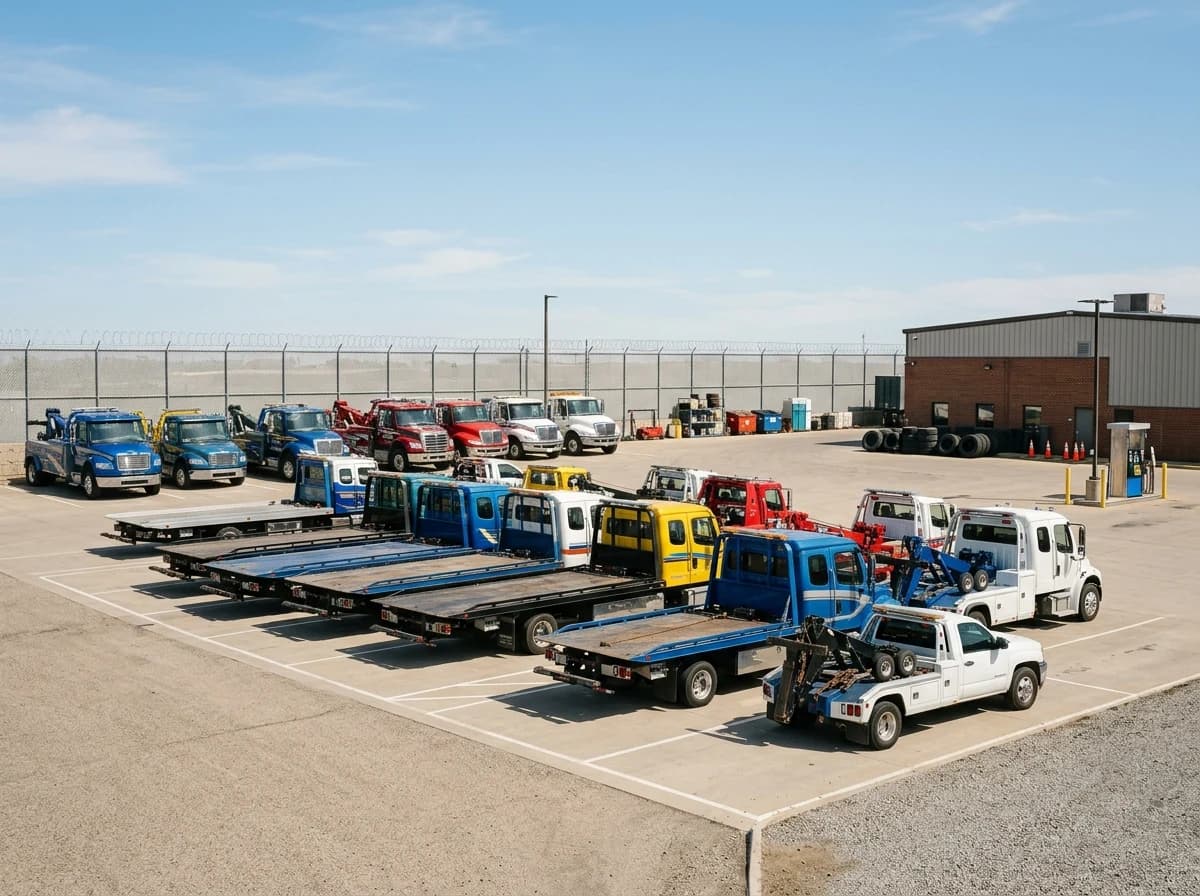 Urban Emergency Towing
A clear first impression
Describe the vehicle types and towing work your team accepts. Separate towing from other roadside services you actually provide.
Your work, clearly presentedInteractive design inspiration. Illustrative photography and sample copy.
Plan the pages your visitors will use
A practical towing company website content guide. Choose the pages that fit what you do and keep the important answers close.
Describe the vehicle types and towing work your team accepts. Separate towing from other roadside services you actually provide.
List your service areas and actual operating hours. Explain how motorists can confirm whether help is available for their location.
Describe the roadside assistance your team offers, with any important limitations. Give visitors the correct number for an urgent service request.
Show current photographs of your towing equipment and explain its intended use. Avoid promising support for every vehicle or situation.
Explain what callers should provide, including location and vehicle details. Your dispatch process confirms availability, timing and the service required.
Publish a prominent phone number and a route for non-urgent enquiries. Explain how the price is confirmed without inventing a guaranteed arrival time.
Review site analytics to understand which pages people visit. Keep towing services and contact information easy to reach, and update them when your work changes.
Explore the tools behind your websiteMake the next step obvious
Choose how visitors to your towing company website reach you. Make each action fit the services and processes you already use.
Help visitors ask about towing services. Use a contact form that collects the details your team needs, and explain what happens after an enquiry.
Your team reviews requests and confirms the next step.
Keep specialist workflows for your towing company website in the services you already use. Add clear links and explain their process before visitors leave your site.
Your chosen provider handles its own availability, confirmations and account access.
If you sell products or agreed services, add Grigora Commerce product pages, a cart and checkout with your connected Stripe, Razorpay, PayPal, or Paddle account. Explain prices, terms and fulfillment before accepting payment.
Your team manages orders and fulfillment; payment provider fees and terms apply.
SEO for towing company websites
Good towing company website SEO starts with useful pages. Make towing services, your contact details and your story easy to find.
Your website
https://towing-company.example/Explore towing services and coverage and operating hours, learn about our approach and find out how to contact us.
Fictional example. Search engines choose the final title and snippet.
Give pages for towing services and coverage and operating hours clear titles. Write descriptions that match their actual content.
Explain towing services with original copy and relevant photographs. Keep contact details and any locations you serve accurate.
Publish with hosting, HTTPS and a sitemap. Use clear navigation so visitors and search engines can reach your pages. Custom domains are available on paid plans.
Room to start. Room to grow.
Build and review your first towing company website draft with no card needed. Choose a plan before the trial ends to keep the site online.
Compare plans for your domain and the content your towing company website needs. Paid plans keep your site online after the trial and let you connect a domain you own.
Check current plan limits and feature eligibility before choosing. Connected payment providers have their own terms and processing fees.
The last check before going online
Walk through your towing company website as a visitor would. Review these details before publishing, and again whenever your content changes.
0 of 5 items reviewed
Before you go online
Clear answers about creating a towing company website, its content and the tools you can use.
You can add lead capture forms and popups that collect the customer's location, vehicle type, and emergency details, then route them straight to your dispatch team. Grigora does not include a live booking or scheduling system, but you can connect a form to Zapier webhooks to send requests into your dispatch or CRM tool automatically.
Every Grigora site includes free SSL, a CDN, and auto-scaling hosting, so your site keeps loading fast even when traffic surges during bad weather or highway incidents. There is nothing extra to configure since hosting and scaling are included by default.
A tap-to-call number in the header and footer, a plain statement of hours and response area, one page per service so people searching for a lockout or a winch out land in the right place, and a short request form asking for location, vehicle and situation. Photos of your own trucks help more than stock images.
Starter runs $15 a month, or $144 a year, which works out to $12 a month, and Pro is $25 a month. There is a free trial instead of a free forever plan. That covers hosting, SSL, the CDN and your custom domain. A dispatch mailbox on your domain adds $5 a month through Grigora Mail.
Describe the equipment you run and the weight classes you handle, and the AI drafts pages around it. Give each capability its own page, list vehicle types and job examples, and use directory entries for the corridors and yards you serve. Fleet and commercial customers usually want your equipment specs on the page.
Yes, for anything you can price up front. Grigora Commerce sells fixed-price services and deposits through your own Stripe, Razorpay, PayPal, or Paddle account, and each order produces a receipt. Variable jobs are better handled as a quote request form, with payment taken on site by whatever method you use today.
Describe your towing company website. Get a first draft you can edit and make your own.
Start building free